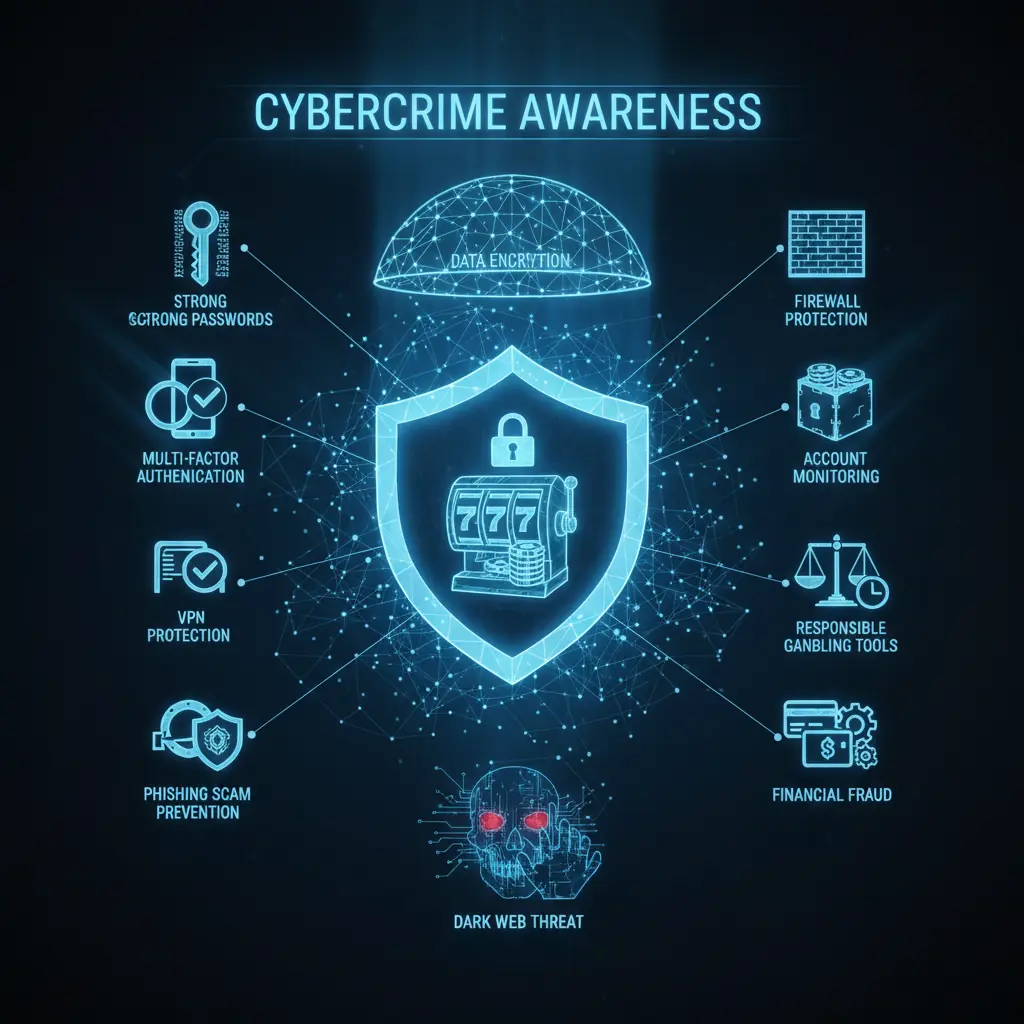
The digital age has revolutionized the gambling industry, bringing casinos and sportsbooks directly to our fingertips. However, this convenience comes with a significant caveat: a surge in cyber threats targeting online gambling accounts. Recent statistics reveal a 60% increase in attempted breaches of these accounts in the last year alone, highlighting the urgent need for robust security measures.
The risks are real. A compromised gambling account can lead to substantial financial loss, identity theft, and a disruption of one’s personal life. Phishing scams, brute-force attacks, and malware are just a few of the weapons in a cybercriminal’s arsenal. This guide is designed to empower you with the knowledge and actionable steps necessary to fortify your online gambling account security. By implementing these strategies, you can mitigate potential risks, protect your assets, and enjoy the thrill of online gambling with greater peace of mind. We will explore practical and accessible techniques that every individual can employ to enhance their online security posture and engage in responsible gambling practices.
Understanding the Risks
Online gambling, while entertaining for many, presents a significant target for cybercriminals. Gambling accounts hold sensitive personal and financial information, making them prime targets for hacking, phishing scams, and outright fraud. For instance, a seemingly innocuous email promising a “free spin” might lead to a deceptive website designed to steal login credentials. Once a hacker gains access, they can drain an account, steal identities, or even use the compromised account for money laundering, further complicating the victim’s situation.
Account takeovers are another common threat. Imagine a scenario where a casual gambler uses the same password across multiple sites. A data breach on a less secure platform could expose those credentials, granting criminals access to their gambling account. The consequences can be devastating, with funds disappearing within minutes, leaving the account holder scrambling to recover their losses and repair their damaged credit. This highlights the critical need for heightened awareness and robust security measures.
Common Phishing Tactics
Phishing attempts often start with remarkably deceptive emails or text messages, meticulously designed to mimic legitimate communications from reputable gambling platforms. These messages frequently feature urgent calls to action, such as claiming an expired bonus or requiring immediate account verification to avoid suspension. Clicking on the embedded links redirects users to fake websites that look identical to the real ones, tricking them into entering their usernames and passwords.
One common tactic involves exploiting emotional responses. Scammers might send emails proclaiming a huge, unbelievable win, prompting recipients to log in immediately to claim their prize. This excitement bypasses cautious thinking, leading victims to carelessly enter their credentials on a fraudulent site. Always scrutinize the sender’s email address for discrepancies, hover over links to reveal their true destination, and never enter personal information unless you are absolutely certain of the website’s legitimacy.
Strengthening Your Password Security
In today’s digital landscape, robust password security is not just a suggestion, it’s an absolute necessity, especially when real money is involved, such as with online gambling accounts. Weak passwords are like leaving the front door of your digital life wide open, inviting unwanted guests to wreak havoc. Imagine the frustration and potential financial loss stemming from a compromised gambling account due to a poorly chosen password. It’s crucial to proactively defend your online identity and hard-earned money by implementing strong password practices.
Crafting a strong password is an art, not a science, but there are definite guidelines to follow. Think complexity: aim for a minimum of 12 characters, blending uppercase and lowercase letters, numbers, and special symbols. Avoid the obvious – birthdays, pet names, or common words found in the dictionary are easily guessed. The more random and nonsensical the combination, the better. Creating unique passwords for each of your online gambling accounts — and every other online account you own — may feel overwhelming, but it’s the best way to isolate breaches. If one account is compromised, the others remain safe.
Let’s be honest, remembering a dozen complex, unique passwords is a Herculean task. That’s where password managers swoop in to save the day.
The Power of Password Managers
Password managers are digital vaults that securely store all your passwords, allowing you to generate and use strong, unique passwords for every site without having to memorize them. They also offer features like auto-filling login credentials, alerting you to potential data breaches, and assessing the strength of your existing passwords. Consider these top password manager solutions:
- LastPass: Known for it`s ease of use.
- 1Password: Great interface!
- Bitwarden: Open source password manager.
- Dashlane: Rich set of features.

Enabling Multi-Factor Authentication (MFA)
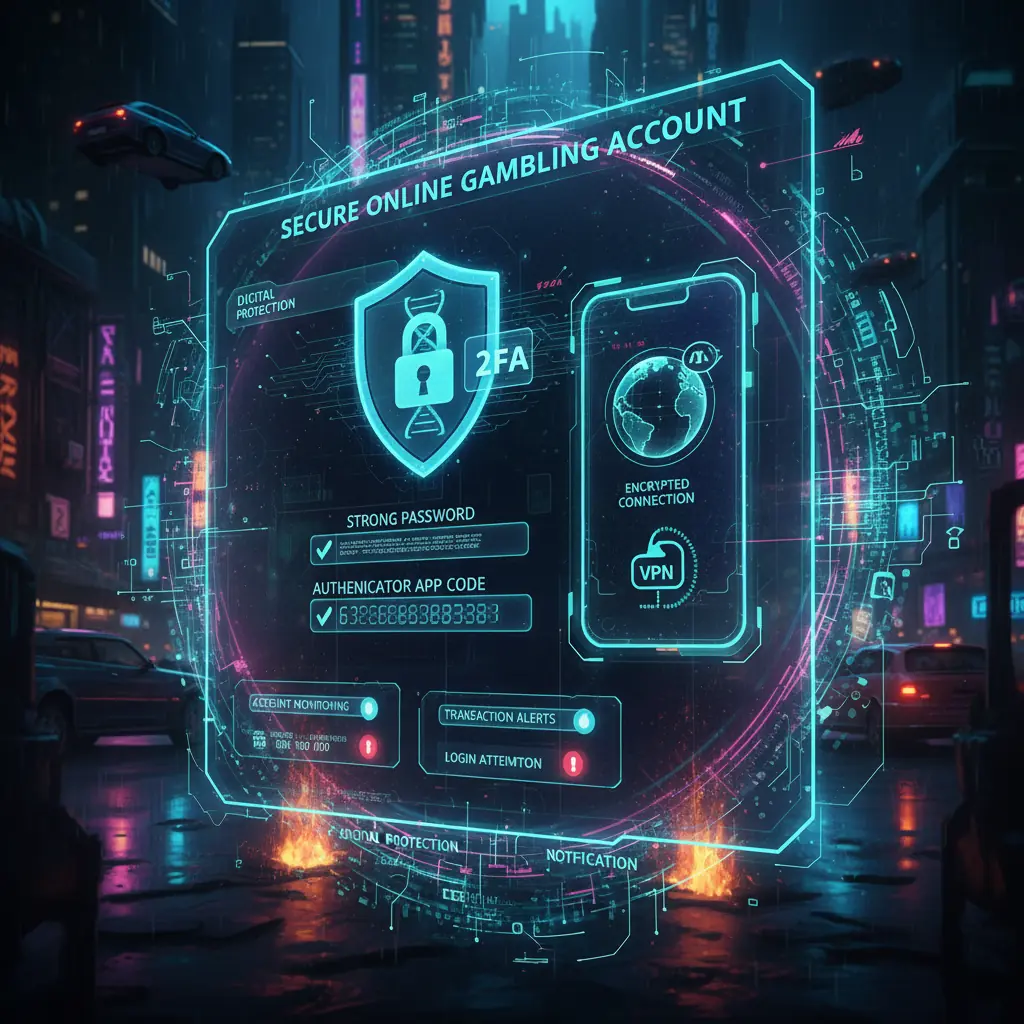
In today’s digital age, securing online accounts is more critical than ever, especially when real money is involved. Multi-Factor Authentication (MFA), often called 2FA (Two-Factor Authentication), is a powerful shield that adds an extra layer of protection to the gambling accounts. Think of it as a double lock on the front door – even if someone gets the first key (your password), they still need a second one to get in.
MFA works by requiring two or more verification factors to confirm identity when logging in. The first factor is typically something you know, such as password. The second factor is something you have, like a code from an authenticator app on your smartphone or a security key. This makes it significantly harder for hackers to access account, even if they’ve managed to steal the password.
Enabling MFA may seem like a hassle, but the peace of mind it provides is well worth the few extra seconds it takes to log in. Many major gambling sites and apps offer MFA as a standard security feature. Look for it in account security settings, often labeled as “Two-Factor Authentication” or “Multi-Factor Authentication”.
Here’s how it could unfold: Logging into favorite gambling platform one day, you enter your password as usual. But instead of gaining immediate access, the site prompts for a unique code generated by the authenticator application on your phone. Without that code, access is denied, effectively thwarting the hacker’s attempt to enter.
Choosing the Right MFA Method
When setting up MFA, you’ll typically be presented with several options. While SMS verification (receiving a code via text message) might seem the easiest, it’s generally considered the least secure. Authentication apps, like Google Authenticator or Authy, generate time-based codes that are much harder to intercept.
For even greater security, physical security keys offer the strongest protection. These small devices plug into device and require a physical touch to verify it. While very secure, they can be inconvenient if logging in from multiple devices. Ultimately, the best MFA method depends on individual needs, security concerns, and technical savvy.
Securing Your Devices and Networks
The Risks of Public Wi-Fi
Public Wi-Fi hotspots are convenient, but they’re also prime targets for cybercriminals. Unlike your home network, these networks often lack proper encryption, making it easier for hackers to intercept your data. When you connect to public Wi-Fi without protection, your passwords, browsing history, and even personal information can be exposed. This leaves you vulnerable to identity theft, financial fraud, and other cybercrimes.
A Virtual Private Network (VPN) creates a secure, encrypted connection between your device and the internet. Think of it as a private tunnel that shields your data from prying eyes. When you use a VPN on public Wi-Fi, your internet traffic is routed through a VPN server, masking your IP address and encrypting your data to make it unreadable to potential eavesdroppers. While many VPNs are available, top-rated options often include ExpressVPN, NordVPN, and CyberGhost, known for their robust security features and reliable performance. Using a VPN transforms a risky, unsecured connection into a safe and private browsing experience.
Beyond VPNs, keep your softwares updated and use a strong antivirus. A outdated software can have vulnerability that can be exploited by hackers. In 2017, the WannaCry ransomware attack exploited a vulnerability in older versions of Windows. Millions of computers around the world were affected, causing billions of dollars in damages. Users who had installed the latest Windows security updates were protected from the attack. This event showed that keeping software up-to-date is a really important thing to do for device/network security.
Monitoring Your Account Activity
Regular account monitoring is crucial for fraud detection and ensuring the integrity of your gambling experience. By diligently checking your account statements, transaction history, and login activity, you can quickly identify any suspicious activity. This proactive approach allows you to take immediate action and minimize potential losses. Look out for unauthorized transactions, logins from unfamiliar locations, or unexpected changes to your account settings, as these could be signs of compromised security. Promptly reporting any anomalies to the gambling operator is essential.
Setting Up Transaction Alerts
Enabling transaction alerts is a powerful way to stay informed about your account activity in real-time. Here’s how to set them up:
- Log in to your gambling account: Access your account through the platform’s website or mobile app.
- Navigate to Account Settings: Look for a section labeled “Settings,” “Profile,” or something similar.
- Find Notification Preferences: Within account settings, locate the “Notifications” or “Alerts” section.
- Enable Transaction Alerts: Choose the types of alerts you want to receive, such as deposit notifications, withdrawal notifications, and login attempt notifications.
- Configure Delivery Method: Select how you want to receive alerts, typically via email or SMS.
- Save Your Changes: Ensure your settings are saved to activate the alerts.
Leveraging Responsible Gambling Tools for Security
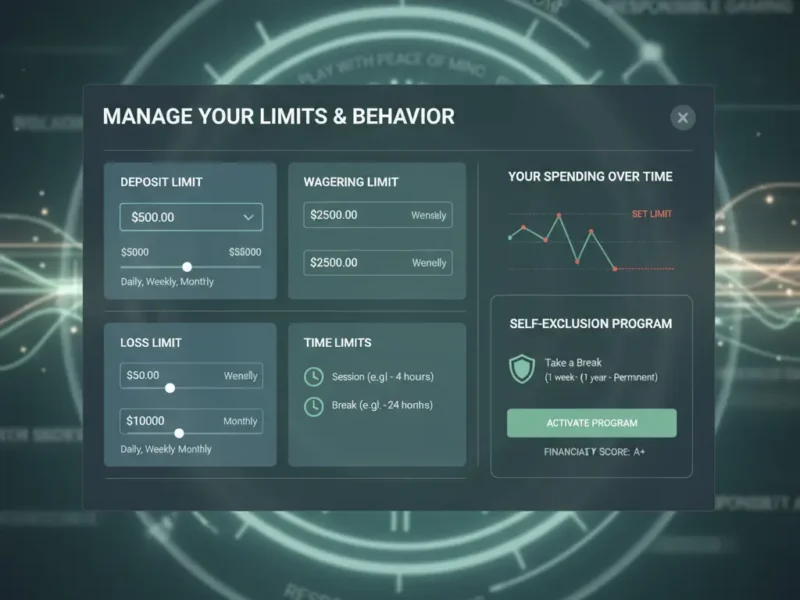
Responsible gambling tools aren’t just about managing play; they add a surprising layer of security to your online accounts. Think of deposit limits as a safety net. By setting a maximum amount you can deposit within a specific timeframe, you’re limiting potential damage from unauthorized transactions. If someone gains access to your account, they can’t drain it completely because the deposit limit acts as a buffer.
Spending limits work similarly, preventing large, unexpected bets or purchases. Self-exclusion, while designed to help manage gambling habits, can also serve as a powerful security measure. If you suspect your account has been compromised, initiating self-exclusion immediately locks it down, preventing further access. Major platforms offer a suite of these tools. Activating them is a proactive step towards securing your account against fraud and unauthorized activity. Taking control of these features puts you in a stronger position to protect yourself.
Staying Informed About Security Updates
In the dynamic landscape of online gambling, vigilance is paramount. Staying ahead of potential threats means actively seeking out security updates and cybersecurity news. Treat your online safety with the same seriousness as you would your financial investments.
There are several avenues to pursue for acquiring timely and reliable information. Reputable cybersecurity news outlets are invaluable resources for understanding emerging threats and vulnerabilities. Supplement this with direct updates from the gambling platforms you use. Subscribe to their newsletters and monitor their official social media channels for key announcements regarding security enhancements and platform maintenance.
A critical component of this process is the prompt application of security patches and updates to your gambling apps and software. Think of these updates as essential maintenance – like taking your car in for a service. Neglecting them leaves you vulnerable to exploitation. For instance, one user learned of a critical vulnerability in a popular poker app through a cybersecurity blog. By immediately updating the app, a potential account compromise was averted. Staying informed and acting swiftly can be the difference between a secure experience and a costly security breach.
Conclusion
In summary, safeguarding your gambling accounts demands constant vigilance and proactive cybersecurity habits. Prioritize strong, unique passwords, enable two-factor authentication wherever possible, and regularly monitor your account activity for any signs of unauthorized access. Stay informed about the latest phishing scams and be wary of suspicious emails or links. Remember that gambling security is not a one-time setup, but an ongoing process that requires regular updates and adjustments to stay ahead of potential threats.
Protecting your financial information and personal data is paramount in the online world. Implement these recommendations, remain alert, and make online safety a priority. Above all, remember to gamble responsibly.