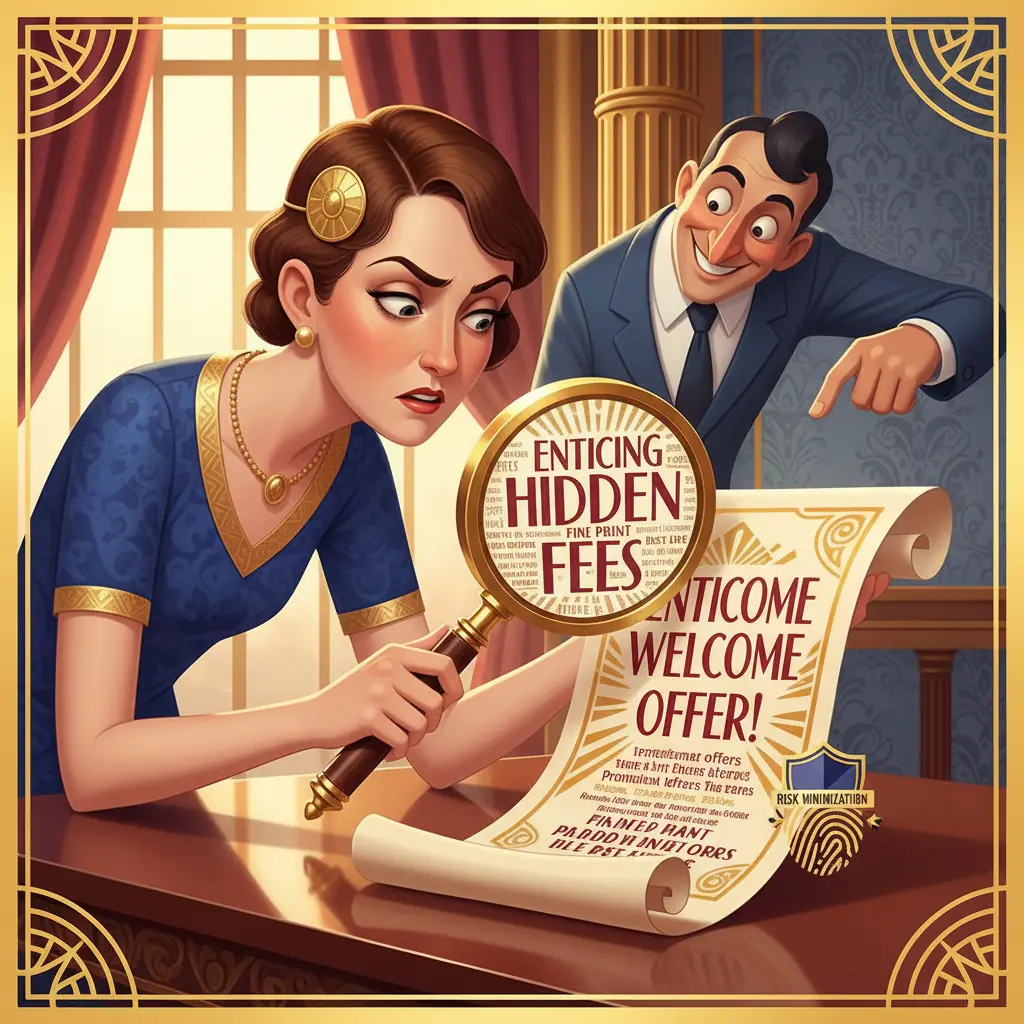
I’ll let you in on a secret: I’m a sucker for a good deal. Who isn’t? That rush of snagging something amazing at a fraction of the price, or the promise of rewards just for signing up – it’s hard to resist. But over the years, I’ve learned that not all that glitters is gold, especially when it comes to those tempting welcome offers.
As a long-time deals investigator that have navigated countless introductory offers, I’ve seen firsthand how these deals can be a blessing and a curse. While some can genuinely save you money and provide valuable benefits, others are cleverly disguised traps designed to lock you into unfavorable terms or lure you into spending more than you intended.
This article is your guide to navigating the exciting, and sometimes perilous, world of welcome offers, discounts, and introductory rewards. Forget impulse buys and shiny object syndrome. By the end, you’ll be equipped with a step-by-step approach to determine whether that seemingly irresistible deal is truly right for you. Let’s get started!
Decoding the Allure: Understanding Welcome Offers
Welcome offers are introductory promotions designed to entice new customers. They’re a powerful tool for businesses aiming to expand their reach, but understanding the nuances of these offers is key to making informed decisions. These offers come in various forms, from tempting introductory discounts and risk-free free trials to the allure of bonus points or exclusive bundles. Ultimately, they aim to convert potential customers into loyal patrons.
While welcome offers can unlock significant savings or provide a sneak peek into a service you’ve been eyeing, they can also be misleading. Some companies use overly aggressive tactics while offering promotions, and it can be sometimes hard to see right through them while they are tempting. Offers, like those flash sales that seem too good to be true, sometimes hide commitments such as recurring charges or long-term contracts. Many customers have previously entered their credit card information for free trials, only to be surprised by unexpected fees. While some companies may succeed at that, other examples have failed, and there is plenty of material online about them, explaining why it is not the best long-term strategy.
The fear of missing out (FOMO) often drives consumers to jump at these promotions. However, a savvy approach involves stepping back and dissecting the offer’s true value. Does the discount outweigh the potential commitment? Is the free trial truly representative of the service’s full experience? By asking these questions, you can navigate the world of welcome offers with confidence and claim the deals that genuinely benefit you.
Why do Companies Push Welcome Offers?
From a business perspective, welcome offers are strategic investments in customer acquisition. In today’s competitive market, brands fight for attention, viewing promotions as an effective way to cut through the noise. Beyond immediate sales, these offers serve multiple purposes. They provide a window for gathering valuable customer data, building trust in the brand, and generating short-term revenue. A well-executed welcome offer can kick-start a long-term relationship by creating a positive initial experience.
Moreover, by providing a taste of their product or service at a reduced cost, companies can encourage trial and adoption. If the experience exceeds expectations, new customers are more likely to convert into repeat buyers, thus increasing customer lifetime value. Welcome offers can also generate buzz and attract potential affiliates.
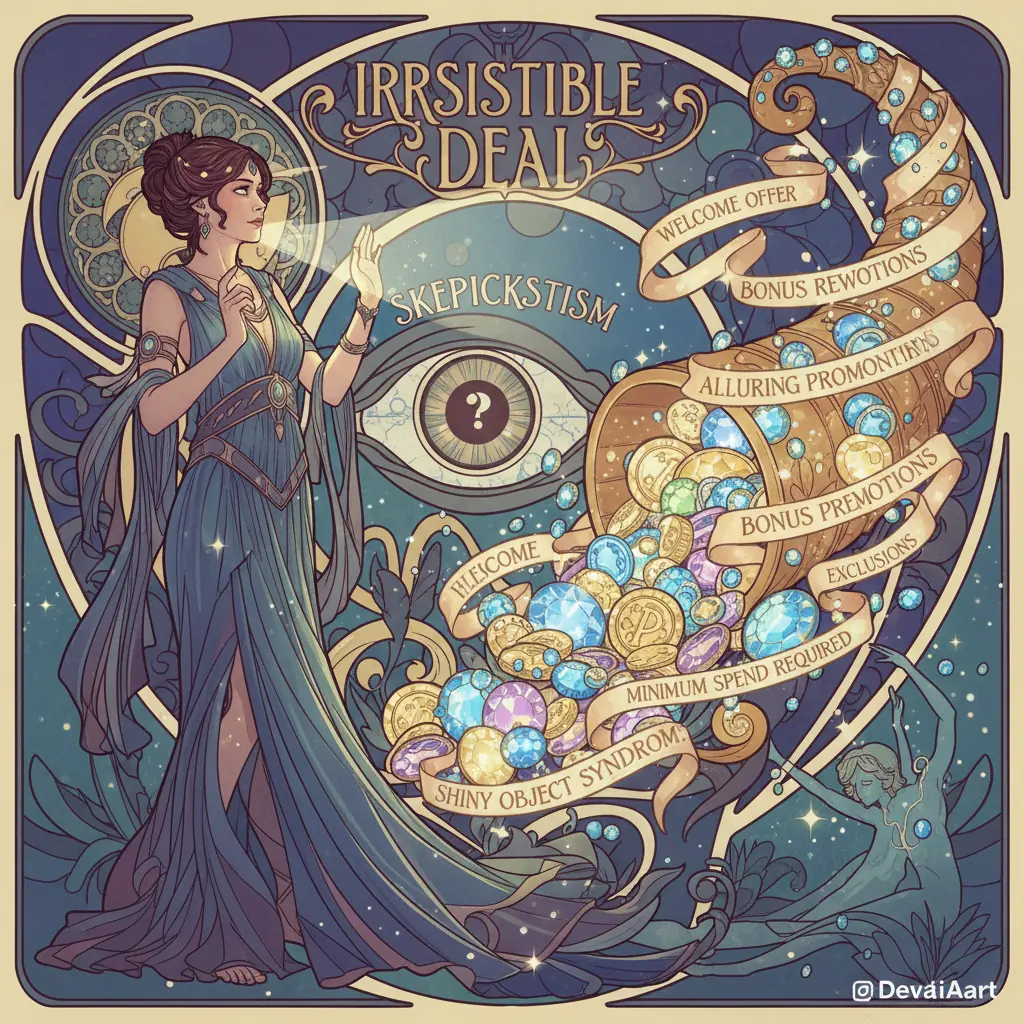
The Devil in the Details: Hidden Costs and Potential Pitfalls
Welcome offers, enticing as they may seem, can sometimes feel like a Faustian bargain. The initial excitement of a discounted rate or bonus quickly fades when you stumble upon the hidden costs and restrictive terms buried deep within the fine print. These “gotchas” are often designed to maximize profit for the provider, leaving unsuspecting customers with a nasty surprise.
One of the most common pitfalls is auto-renewal. You sign up for a service thinking you’ll use it for a specific period, only to find yourself automatically enrolled for another term at a much higher rate. This sneaky tactic preys on forgetfulness and can drain your bank account before you even realize what’s happening. Beware of minimum spending requirements that force you to buy more than you need to qualify for the advertised discount.
Then there are the dreaded termination fees. Decided the service isn’t for you? Think again! Trying to cancel early can trigger exorbitant penalties, effectively negating any savings you initially enjoyed. Navigating the thicket of terms and conditions can feel like deciphering an ancient scroll. These documents are often filled with legalese and intentionally obscure clauses designed to confuse and mislead consumers. It’s infuriating to discover that a seemingly straightforward offer is riddled with loopholes that benefit the company at your expense.
The Fine Print is What Matters
The excitement of a new offer can easily overshadow the importance of carefully scrutinizing the fine print. That’s precisely what companies are hoping for. Early cancellation fees are a classic example. Many providers don’t clearly state the penalties for ending your service before the contract expires, leading to unpleasant surprises when you try to cancel. It’s in the fine print that you’ll see when the provider reserves the right to change the terms of the offer mid-agreement, potentially adding extra fees or altering the service without your explicit consent, all hidden in complex legal jargon.
Stipulations govern how you actually use the offer. You might discover that the advertised discount only applies if you maintain a certain level of usage, bundle multiple services, or jump through other hoops. When I signed up for what looks like a tempting streaming service trial, I missed the stipulation about needing to disable auto-renewal manually 48 hours before the end of the trial! This resulted in a charge for a full month, even though I only used the service for a few days. The fine print becomes your shield against these predatory tactics. Always read, understand, and question every clause before committing to any welcome offer.
Assessing the Real Value: A Step-by-Step Evaluation Framework
Don’t jump at the first welcome offer you see. Take a breath and figure out what it’s really worth. A savvy approach is key to maximizing benefits. Think of it as detective work. Break it down into simple steps to avoid getting lost in the hype.
- Define Your Needs: What problem are you trying to solve? What are your must-have features? Knowing this prevents you from being swayed by irrelevant perks.
- Quantify the Tangible Benefits: Can you put a concrete number on the savings, efficiency gains, or increased revenue? If so, do it.
- Consider the Intangible Benefits: What about improved customer satisfaction or a better user experience? While harder to measure, these have real value. Assign them a score or weighting based on importance to you.
- Calculate the Total Cost: Don’t just look at the headline price. Factor in setup fees, training costs, integration expenses, and potential overage charges.
- Estimate the ROI: Divide the total value by the total cost. Is the return worth the investment?
- Don’t Forget Opportunity Cost: What will you miss out on by accepting this offer? Could your resources be better used elsewhere? An alternative choice could yield far better results.
By following these steps, you gain more confidence in the decision-making process. It’s a checklist for separating genuine opportunities from money pits.
Comparing to Other Products and Services
Direct, head-to-head comparisons can be tricky. It’s tempting to just look at the price tag, but that rarely tells the whole story. If you’re evaluating a complex service, ensure similar parameters. Focus on the core features you require and how each option delivers them. Minor differences can be ignored, but major discrepancies should raise red flags.
For instance, comparing a budget option to a premium service might seem pointless. However, if the budget option covers your needs adequately, the premium features might be unnecessary. On the other hand, a slightly pricier option might offer long-term savings or a better return on investment due to superior performance or scalability. Due diligence makes your results more applicable for product analysis.
Strategic Acceptance: Maximizing Benefits, Minimizing Risks
So, you’ve snagged a sweet welcome offer – excellent! But before you dive headfirst, let’s talk about strategic acceptance. It’s all about maximizing those benefits while seriously minimizing the risk of unwanted charges or surprises down the line. Think of it as smart usage.
First things first: cancellation reminders are your best friend. Don’t just vaguely remember to cancel “sometime before the trial ends.” Set a concrete reminder, preferably multiple ones, a few days before the deadline. Most calendar apps, like Google Calendar or Outlook Calendar, make this a breeze. In Google Calendar, create an event, set a reminder a week before, and then another one a day before. Outlook works similarly – new appointment, set reminders. Boom! You’re covered. This will mitigate the risk of inadvertently getting billed after the trial period.
Next, optimize your usage during the trial. Really put the service to the test! Explore all the features, use it as much as possible, and see if it truly fits your needs. This trial optimization ensures you are making an informed decision.
Finally, documentation is key. When you sign up for the offer, immediately save a copy of the terms and conditions. A quick and easy way to do this is to use a site like archive.org. Just paste the offer page URL into the Wayback Machine, and save a snapshot. This provides documentation, in case the original page disappears or changes later. Having this documentation clarifies smart usage and allows you to have further clarity.

When to Walk Away: Recognizing Unfavorable Offers
Sometimes, the best deal is the one you don’t take. Welcome offers, while tempting, aren’t always advantageous. Recognizing unfavorable offers is crucial to avoiding scams and protecting yourself from potential problems. When should you politely decline and walk away? Here are some red flags to watch out for.
First, overly complex terms and conditions are a major warning sign. If the offer is shrouded in confusing jargon and hidden fees, that’s a huge signal to walk away. Next, beware of high-pressure sales tactics. If someone is pushing you to make a decision immediately or creating a false sense of urgency, trust your gut, it is frequently right. Scammers often rely on emotional manipulation to cloud your judgment.
Another key indicator of a bad offer is negative reviews. While every company gets a few bad apples, a persistent pattern of complaints about poor service, hidden charges, or deceptive practices should raise immediate suspicion. Don’t just read the star rating; delve into the details. Be aware of fake reviews, check if a lot of profiles have similar structure or profile pictures.
Finally, a lack of transparency is a deal-breaker. If the company is unwilling to provide clear answers to your questions or seems evasive about important details, it’s best to err on the side of caution and go find another opportunity elsewhere. Remember, it’s always better to miss out on a questionable offer than to fall victim to a scam. Trust your instincts and don’t be afraid to walk away if something doesn’t feel right, there are plenty of options out there.
Real-World Examples: Case Studies of Welcome Offers Gone Right (and Wrong)
Welcome offers are designed to be enticing, but the reality is that they don’t always work out as planned. Sometimes they lead to great experiences and savings, but other times, they can become a source of frustration and regret. Let’s dive into some real-world scenarios of welcome offers, exploring both the triumphs and the pitfalls.
Success Story: The Double-Dip Delight
A friend recently signed up for a new credit card that had a welcome offer of “Double your cashback for the first three months.” The key to making this work was meticulous tracking. Every purchase was made with the card, and they diligently paid off the balance each month to avoid interest charges. At the end of the promotional period, they had earned significantly more cashback than they would have with their existing card, which they used to offset a family vacation this summer. This illustrates how focusing on the offer’s fine print and having strong spending habits can translate the promotional period into tangible rewards.
Horror Story: The Hidden Fees
I once jumped at a “free trial” offer for a streaming service. The catch? I had to provide my credit card details upfront. I completely forgot to cancel before the trial ended. Because of that, I was automatically charged for a full year subscription. After contacting customer service, the agent told me they would not be able to refund me for all the months. The price I paid for that free trial was far from reasonable, plus a lot of time on support calls trying to resolve it.
Lessons Learned: Read. The. Fine. Print.
My sister decided to switch mobile providers based on a welcome offer: “Get a free Smart TV.” Sounds amazing, right? What she wasn’t aware of was that to be eligible, she needed to subscribe to their most expensive plan for a minimum of two years. The cost of the plan over those two years far exceeded the value of the “free” TV. She ended up stuck in a costly contract to get something she didn’t even need, and she deeply regretted not fully understanding the terms and conditions before signing up.
Conclusion
In summary, navigating the landscape of welcome offers requires a blend of enthusiasm and critical thinking. Understanding the terms and conditions, being aware of potential pitfalls such as hidden fees and unrealistic wagering requirements, and comparing offers diligently are key takeaways for any savvy consumer.
The allure of a substantial bonus or enticing perk can be strong, but a well-informed decision is always the best one. By carefully evaluating each offer, considering your own needs and spending habits, and not being afraid to walk away from deals that seem too good to be true, you can harness the power of welcome offers to your advantage.
Ultimately, welcome offers present both opportunities and challenges. Approached with caution, they can enhance your experience and provide real value. They should be regarded as advantageous, but caution is necessary to avoid potential disappointments and fully enjoy the benefits they provide.