The flashing lights, the whirring sounds, the tantalizing possibility of a jackpot – slot machines possess an undeniable allure. It starts with a harmless curiosity, a casual pull of the lever, but for some, this simple act spirals into an uncontrollable addiction. From the vibrant casinos of Las Vegas to the digital realms of online gaming, slot machines have captivated millions, but at what cost?
As someone who has spent years analyzing the psychology of gambling and game design, I’ve seen firsthand the devastating impact that slot machine addiction can have on individuals and families. The stories are often similar: initial excitement, followed by increasing desperation, and ultimately, financial ruin and emotional distress.
But what is it about these seemingly simple games that makes them so profoundly addictive? Is it merely the promise of wealth, or are there more insidious forces at play? Is there something hiding in those spinning reels and vibrant paylines that makes it so hard to walk away? Let’s examine why slot machines might be so addictive.
The Psychology of the Spin
Variable Rewards and the Dopamine Rush
Slot machines are engineered to exploit a fundamental aspect of human psychology: operant conditioning, particularly through the use of variable rewards. This system creates a potent addiction loop because the brain’s reward center, fueled by dopamine, responds vigorously to the unpredictable nature of wins. Every pull of the lever holds the promise of a payout, but the infrequency and variability of these wins are what truly hook players. Imagine a scenario where a player wins a small amount after a series of losses; this unexpected reward triggers a surge of dopamine, reinforcing the behavior of playing. The feeling of pleasure becomes associated with the act, compelling the player to continue in pursuit of the next hit. It’s like chasing a high, where the intermittent nature of the reward amplifies its perceived value and makes the behavior highly resistant to extinction. This neurological manipulation can quickly lead to compulsive behavior, as the brain fixates on the anticipation of the next dopamine rush, overshadowing rational thought and self-control.
Cognitive Distortions: The Gambler’s Mindset
Beyond the neurological aspects, cognitive biases play a significant role in perpetuating slot machine addiction. One of the most pervasive is the gambler’s fallacy, the mistaken belief that if something happens more frequently than normal during a given period, it will happen less frequently in the future, or vice versa. For instance, a player might think, “I’ve lost five times in a row, so I’m due for a win,” completely disregarding the fact that each spin is an independent event with the same odds as the last. Another dangerous cognitive distortion is the illusion of control, where players overestimate their ability to influence the outcome of a game that is purely based on chance. They might develop superstitious rituals, like pressing the spin button in a certain way, believing it will increase their chances of winning. These cognitive biases create a distorted perception of reality, making players believe they have more control over the game than they actually do. This irrational thinking fuels further gambling, as players become convinced that their strategies or hunches will eventually lead to a big payout, even in the face of mounting losses.
Designing for Desire: Key Features & Mechanics
The world of online slots is a carefully constructed landscape, designed to keep players engaged and, ultimately, spending. Game design plays a pivotal role in this, utilizing a cocktail of alluring features that tap into our primal reward systems. Several elements, seemingly innocuous on their own, combine to create a powerful, and sometimes addictive, experience.
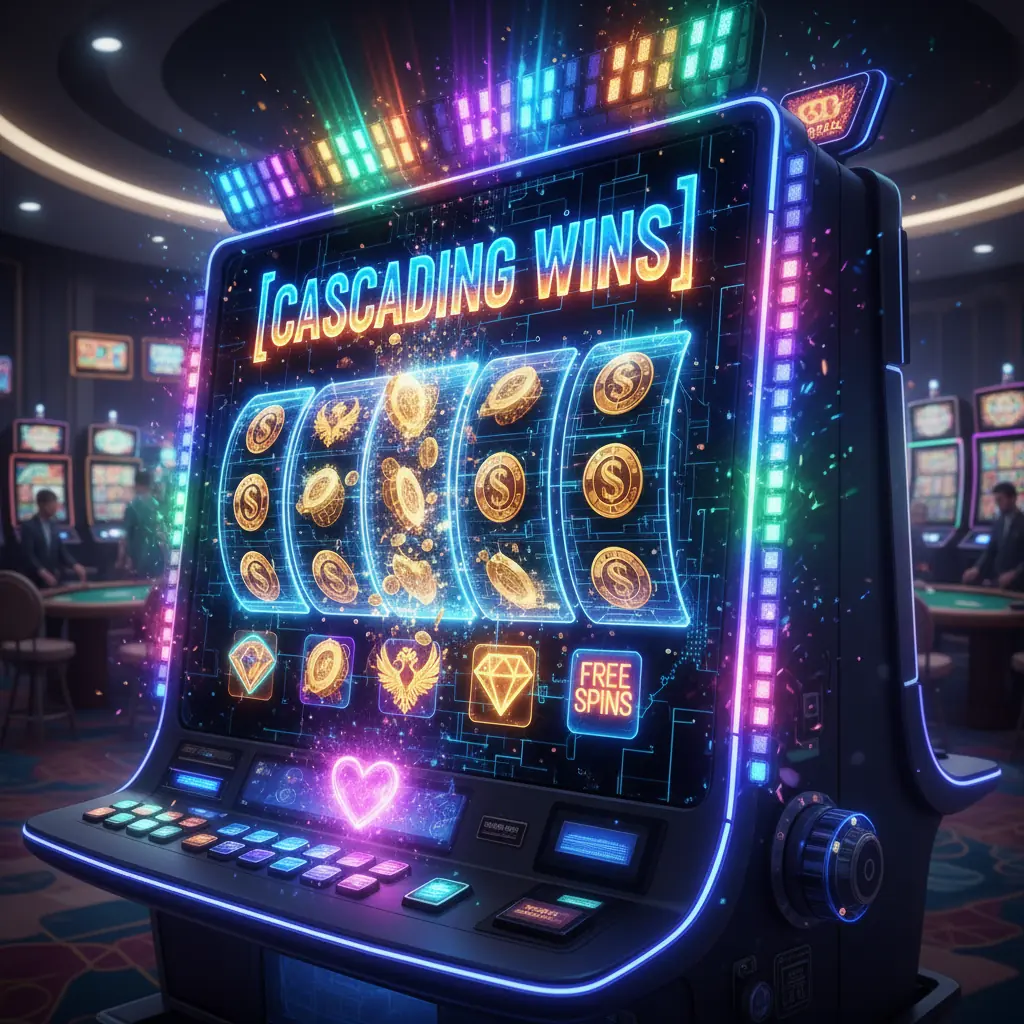
Features like cascading wins, where winning symbols disappear to be replaced by new ones, create a chain reaction of excitement. Each cascade offers another opportunity to win, prolonging the thrill and drawing the player deeper into the game. Bonus rounds serve as the holy grail, triggering special events with boosted payouts and engaging animations. Then there are expanding wilds, symbols that stretch to cover entire reels, dramatically increasing the chances of a winning combination. Likewise, multipliers magnify payouts, turning small wins into substantial rewards.
Underlying all these flashy features is cold, hard math. The game is meticulously designed to ensure that the house always wins in the long run. The odds are stacked ever so slightly in the casino’s favor, creating the illusion of frequent wins while slowly chipping away at the player’s balance. From a business perspective, it’s ingenious. From an ethical standpoint, it’s a gray area that sparks ongoing debate.
Consider games like “Starburst,” with its vibrant graphics and frequently occurring expanding wilds, or “Gonzo’s Quest,” known for its cascading wins and increasing multipliers. These games expertly blend visual appeal with rewarding mechanics, keeping players hooked for hours. They are a testament to the power of game design in influencing behavior and blurring the lines between entertainment and exploitation.
The Allure of Bonus Rounds and Jackpots
Bonus rounds and jackpots are the shimmering mirages in the desert of online slots, promising untold riches and fueling the relentless pursuit of that one big score. The anticipation leading up to a bonus round is palpable. The spinning wheels, the flashing lights, the escalating sound effects – all meticulously crafted to heighten arousal and create a sense of heightened expectation. This anticipation, more than the actual win, is what drives continued play. The human brain craves the dopamine rush associated with potential reward, and bonus rounds deliver it in spades.
Jackpots, especially progressive ones that grow over time, represent the ultimate fantasy. The idea of hitting that life-changing sum is enough to keep players spinning, even when the odds are astronomically low. There’s a feeling of luck and a dream of something bigger that keeps player engaged in a loop. The allure of these events is undeniable. They are the cornerstones of the casino experience, and this experience is something very unique to everybody.
Gamification: Adding Progression and Achievement
Online slots often incorporate elements of gamification to enhance player engagement. Progression systems, such as leveling up or unlocking new features through continued play, provide a sense of accomplishment and encourage players to keep coming back. These systems provide an alternative goal, in this case, something that is not money.
Achievement systems, like earning badges or trophies for completing specific tasks, further reinforce this feeling of progress. For example, a player might receive a badge for triggering a bonus round multiple times or for landing a particularly rare winning combination. These small victories, while not directly tied to financial gain, tap into our inherent desire for recognition and mastery.
Real-world examples of gamification in slots include loyalty programs that reward players with exclusive bonuses and perks based on their level of activity. Some games also feature virtual leaderboards, where players can compete against each other for the top spot, adding a social element to the solitary act of playing slots. This blend of chance and skill, however minimal, keeps players invested and coming back for more, blurring the line between gambling and gaming.
The Sensory Symphony: Audio-Visual Manipulation
The world of digital interaction is meticulously crafted to stimulate the senses, creating an immersive experience that blurs the line between entertainment and compulsion. Bright visuals, strategically placed flashing lights, and celebratory sound effects aren’t accidental; they’re deliberately engineered to create a potent feedback loop, reinforcing play and minimizing awareness of time or money. This sensory manipulation is a core element in extending engagement and fostering a deeper connection with the experience.
Color psychology plays a pivotal role, with specific hues chosen to evoke certain emotions and influence behavior. Sound design is equally crucial, enhancing emotional engagement through carefully composed audio cues that trigger feelings of excitement, anticipation, or reward. The combined effect is a sensory symphony designed to captivate and hold attention.
The Power of Sound: Jingles, Pulses, and Win Affirmations
Simple sounds are powerful drivers of continued play. Jingles, pulses, and affirmative sounds on wins create a positive feedback loop, that may cause addiction. These sonic cues act as auditory rewards, reinforcing behavior and encouraging further engagement. This constant auditory stimulation keeps players hooked, driving them to continue playing in search of the next rewarding sound.
Color and Motion: Guiding the Eye and Heightening the Senses
Special effects and high-definition screens further amplify the sensory experience, captivating the eye and intensifying the desire to keep playing. Modern displays create a visual feast, drawing users deeper into the digital world. When these vibrant visuals combine with rapid motion and dynamic animations, they trigger a dopamine release, creating a sense of excitement and anticipation that fuels the desire for more.
Ethical Design: Responsibility in Gaming
The slot game industry, while providing entertainment to millions, carries a significant ethical responsibility. Game developers and operators are not just in the business of fun; they are also, knowingly or unknowingly, influencing player behavior. The core of ethical design lies in acknowledging the potential for addiction and proactively mitigating its risks. This means moving beyond simply complying with legal requirements and embracing a player-centric approach that prioritizes well-being.
Transparency is paramount. Players deserve to understand the mechanics of the games they play, including the odds of winning and the potential for losses. Opaque systems and misleading representations can exploit vulnerabilities, leading to harmful gambling habits. Consider, for example, a game that visually obscures near-misses, creating a false impression of impending victory. Such designs, while potentially boosting profits, are ethically questionable.
The industry needs to establish and enforce rigorous standards for responsible gaming. This includes features like self-exclusion programs, deposit limits, and prominent displays of responsible gaming resources. However, the responsibility extends beyond these reactive measures. Proactive design choices, such as avoiding manipulative psychological techniques and providing clear, concise information about the risks involved, are essential.
Ultimately, ethical design in slot games is about striking a balance between entertainment and responsibility. It requires a commitment to player protection, transparency, and a proactive approach to mitigating the potential harms associated with gambling.

Beyond the Game: Accessibility and the Modern Slot Landscape
The surge in popularity of online slots isn’t just about flashing lights and enticing sounds; a major driving force is their unparalleled accessibility. Online platforms have made these games available at your fingertips, anytime, anywhere. This convenience, fueled by the rise of mobile gaming, has reshaped the slot machine landscape.
The digital realm provides 24/7 availability, shattering the traditional limitations of brick-and-mortar casinos. While this accessibility can be seen as a positive for casual players seeking entertainment, it also carries a darker side. The constant availability and ease of access significantly contribute to the rise of problem gambling. The ability to play online slots from the comfort of home, or during a commute, blurs the lines between leisure and compulsion. Statistics suggest a correlation between the growth of online slot engagement and increasing rates of gambling addiction, highlighting the potential dangers of unchecked accessibility in the modern slot market.
Breaking the Cycle: Recognizing and Addressing Problem Gambling
Problem gambling can cast a long shadow, but recognizing the signs is the first step toward reclaiming control. If chasing losses, neglecting responsibilities, or feeling anxious when not gambling resonates with you, it’s time to take action.
Fortunately, a wealth of resources exists to help break free. Support groups like Gamblers Anonymous offer a safe space and shared experiences. Individual or group therapy can provide personalized strategies for managing urges and developing coping mechanisms. Self-exclusion programs allow you to voluntarily ban yourself from casinos and online gambling sites, creating a crucial barrier.
Don’t hesitate to reach out. Websites like the National Council on Problem Gambling and the National Center for Responsible Gaming offer valuable information and resources. Remember, overcoming slot machine addiction is possible, and seeking help is a sign of strength. With the right support and strategies, you can rebuild your life and find lasting freedom from gambling’s grip.
Conclusion
In summary, understanding the psychology behind slot addiction is crucial for both players and developers. The immersive game design, combined with psychological triggers, can create a powerful pull. The ethics of game design plays a significant role, influencing how responsibly these games are presented and managed. As we look to the future of slots, it’s essential to balance innovation with a commitment to responsible gaming. Vigilance and informed decision-making are key to preventing slot addiction. Use this knowledge to gamble responsibly and promote a safer gaming culture for everyone.